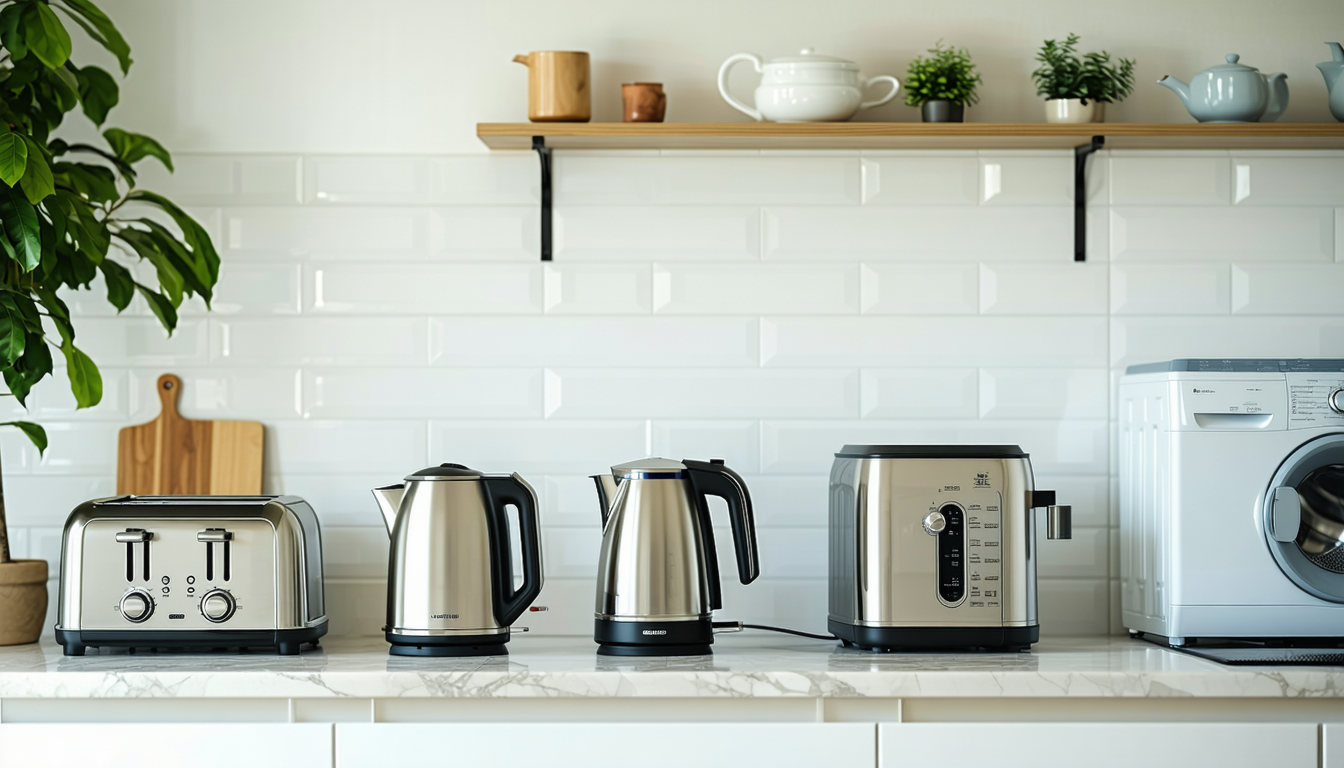
Not all appliances are equal when it comes to your electricity bill. A phone charger costs less than £3 per year. An immersion heater can cost over £500. We've ranked 20 common household appliances by their annual running cost, assuming typical usage patterns and the current Ofgem rate of 26.32p per kWh. Some of these numbers genuinely surprised us.
The cheapest appliances to run
These are the ones you don't need to worry about. Even if you left them running all day, the cost is minimal.
A phone charger draws about 10W while actively charging (and less than 1W on standby). Charging your phone once a day for 2 hours costs roughly £1.92 per year. Even if you have 4 devices charging daily, you're looking at under £8 annually. Not worth thinking about.
LED lights use 5-15W each. A room with 6 LED downlights (60W total) running for 5 hours every evening costs £29 per year. Compare that to the old 60W incandescent bulbs: the same room with 6 of those would cost £173 per year. If you haven't switched to LEDs yet, that's probably the single easiest saving you can make.
A laptop draws 30-50W on typical use. Running it 8 hours a day, 365 days a year, costs between £23 and £38. A desktop gaming PC at 350W doing the same thing costs £269. If you only use the desktop for gaming (say 3 hours a day), that's still £101 per year.
Your TV is surprisingly cheap. A modern 55-inch LED TV uses about 100W. Watching 4 hours per evening costs around £38 per year. The old plasma screens used 300-400W, but those are mostly in landfills now.
Mid-range: appliances that cost £40 to £200 per year
Your fridge-freezer runs 24/7, which sounds expensive. But it cycles on and off, averaging about 1.2 kWh per day for a modern A-rated model. That's £115 per year. Older F-rated models can use double that. If your fridge-freezer is more than 10 years old, replacing it with an A-rated one saves roughly £110 annually.
A washing machine costs about £68 per year if you do 5 loads per week at 40°C. Each cycle uses about 1 kWh. Dropping to 30°C cuts energy per cycle by 40%, bringing the annual cost down to around £41. The clothes still get clean; modern detergents work perfectly at low temperatures.
Your electric oven is the heavy hitter in the kitchen. At 2,100W and running for an hour per day (between preheating and cooking), it costs about £202 per year. That's why air fryers have become so popular. An air fryer at 1,500W cooking for 20 minutes uses a third of the energy for small meals. Annual cost for daily air fryer use: roughly £48.
Tumble dryers are one of the most expensive appliances in the average home. At 2,500W running for 2 hours per load, 4 loads per week, you're paying about £274 per year. A heated airer (300W, 4 hours per load, same 4 loads weekly) costs about £66 per year for the same job. The upfront cost of a heated airer is £40-80, so it pays for itself in a matter of months.
The most expensive appliances
These are the ones that genuinely hurt your bills. And the top one is something most people use every single day without thinking about the cost.
An electric shower at 8,500W is the single most power-hungry appliance in most homes. A 10-minute shower costs 37p. If two people each shower daily for 10 minutes, that's £272 per year just for showers. A family of 4 all taking 10-minute showers? That's £544 per year. Cutting shower time from 10 minutes to 6 saves each person £54 annually. Buy a shower timer. Seriously.
An immersion heater (3,000W) running for 2 hours per day costs £576 per year. Most households with gas boilers rarely use their immersion heater. But if you're in a flat with no gas supply and rely on it for hot water, that cost is unavoidable. A solar thermal panel or heat pump hot water cylinder can slash this dramatically.
Electric space heaters (fan heaters, convector heaters, oil-filled radiators) all draw 1,500-3,000W. A 2kW fan heater running 6 hours per day through a 5-month winter costs about £474. That's for one room. If you're heating your whole house with electric heaters because you don't have central heating, you could easily spend £1,500+ over winter. Electric heating is roughly 3.3 times more expensive per kWh than gas at the October 2026 rates.
Swap comparisons that save real money
Air fryer vs oven: for meals serving 1-2 people, an air fryer uses about 0.5 kWh per session versus 2 kWh for a full oven. If you swap 4 oven uses per week for the air fryer, you save roughly £82 per year. For large family meals, the oven is still more practical.
Microwave vs electric hob: reheating food in a microwave (800W, 5 minutes) costs 1.8p. Doing the same on an electric hob (1,500W, 15 minutes) costs 9.9p. Over 365 days, that's £6.40 vs £36.03. Small difference per use, but it adds up to a meaningful £30 over a year.
Drying rack vs tumble dryer: this is the biggest single swap most households can make. A £0 wooden drying rack (or £40 heated airer) replaces a good chunk of that £274 per year in tumble dryer costs. The payback is quick. Yes, it takes longer. Yes, you need space. But it buys a lot of patience.
Laptop vs desktop PC: if you don't need the graphical power of a desktop for gaming or professional video editing, using a laptop saves you £60-230 per year depending on usage hours. Modern laptops handle office work, streaming, and web browsing with no compromise.
How to check your own appliances
The wattage label on your appliance tells you its maximum power draw. But for a more accurate picture, buy a plug-in energy monitor (around £15-25). Plug it between the wall socket and your appliance. It'll show you the real-time wattage and cumulative kWh over days or weeks. This is especially useful for appliances that cycle (fridges, freezers) or vary their draw (washing machines during different cycle phases).
You can also use our appliance running cost calculator to quickly work out costs for any wattage and usage pattern. It uses the current Ofgem rate and shows you costs across every time period from hourly to annual.